Ensuring a Safe Environment by Removing Risky Trees
Every property owner wants to maintain a safe environment. However, trees can sometimes pose risks that endanger safety. Understanding these risks is crucial for anyone with large trees near buildings or public areas. This article will discuss the importance of mitigating such dangers and offer guidance on how to effectively manage potentially hazardous trees.
Recognizing Hazardous Trees
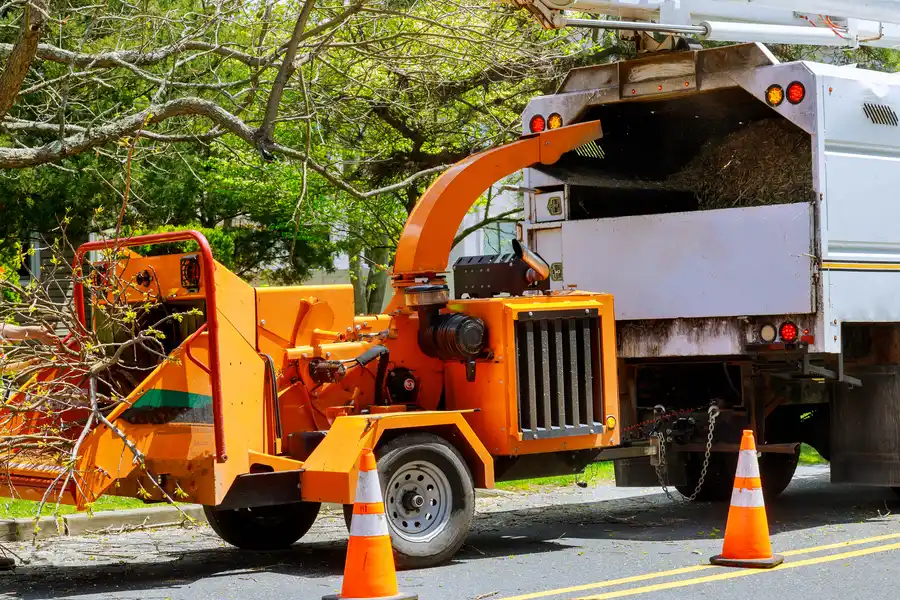
Trees can become hazardous for several reasons. Disease, structural damage, and age are common factors. Diseased trees might have weak branches that could fall unexpectedly. Structural damage from storms or high winds also increases risk. Additionally, older trees often have compromised root systems. Identifying these warning signs early allows you to address potential hazards before they escalate.
The Role of Tree Removal in Enhancing Safety
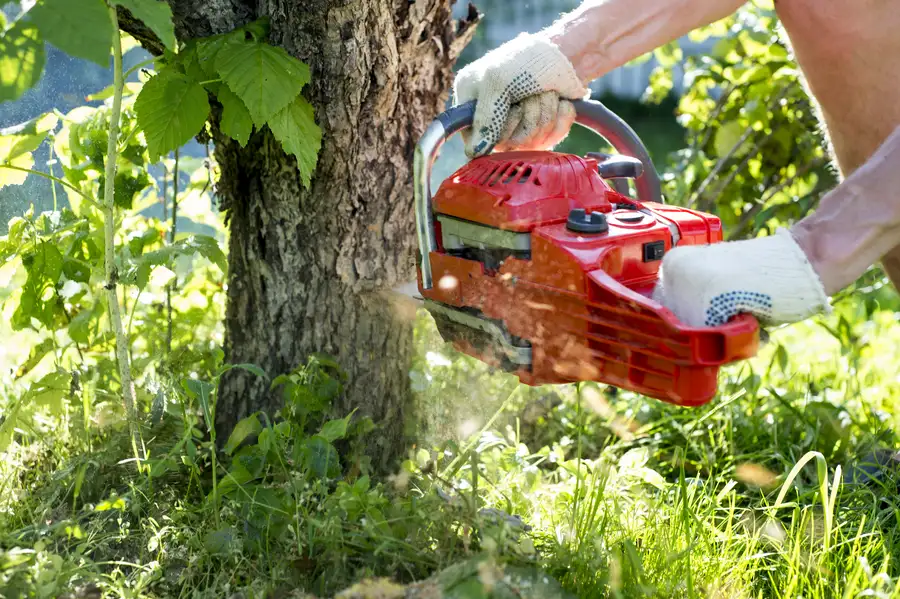
When it comes to ensuring safety, tree removal plays a vital role. By removing diseased or dead trees, you eliminate the immediate danger of falling limbs. This preventative step helps protect both people and property from harm. Once removed, there is more space for healthier plants to grow, promoting a safer and more balanced ecosystem within your landscape.
Tree Removal and Property Damage Prevention
Unmanaged trees pose a significant threat to structures. A single storm can lead to severe damage if a tree falls onto a building or power lines. The cost of repairs can be substantial, not to mention the inconvenience caused by such incidents. Through timely tree removal, you mitigate this risk and help ensure your property’s longevity and safety.
The Benefits of Professional Assessment
Hiring professionals to assess tree conditions offers numerous advantages. They provide expert insights into which trees should be removed for safety. Professionals are trained to spot signs of weakness or disease that may not be obvious to untrained eyes. This expertise leads to informed decisions about maintaining a safe environment around your home or business.
Best Practices for Maintaining Tree Health
- Regularly inspect trees for signs of disease or instability.
- Consult with arborists for professional advice.
- Maintain proper tree spacing to prevent overcrowding.
- Prune regularly to remove dead or weak branches.
Industry Standards in Tree Management
The industry has established standards to guide tree care practices. These guidelines emphasize safety and environmental sustainability. Regular inspections, strategic pruning, and responsible removal are part of these standards. Abiding by these practices ensures both the health of remaining trees and the overall safety of the area.
Cost Considerations and Value
While tree removal entails costs, consider it an investment in safety and property maintenance. The price varies depending on tree size, location, and complexity of the job. However, the value lies in avoiding potential damages that could exceed removal costs. Investing in tree management is ultimately a safeguard against future expenses.
Ensure Your Property’s Safety With Expert Help
Your property’s safety depends largely on proactive measures like managing trees responsibly. At Omega Tree Service LLC, we specialize in providing comprehensive tree assessment services. Our team is based in Concord, NC and dedicated to helping you maintain a secure environment. Contact us at (980) 319-5323 today to learn how we can assist with your tree care needs.