Recognizing When Your Trees Need Extra Help
Trees are an essential part of our environment. They provide shade, beauty, and homes for wildlife. However, like any living thing, they need care and attention. Knowing when a tree is in distress can prevent bigger problems down the road. This guide will help you spot the signs that your trees might need some extra care and what steps to take next.
Understanding Leaf Discoloration
Leaves tell a lot about a tree’s health. If you notice leaves turning yellow or brown outside their usual season, it might indicate a problem. Check if this happens only on one side of the tree. Such patterns could suggest disease or pests causing harm. Observing these changes early can lead to effective solutions.
Bark Damage and Changes
A healthy tree has strong, intact bark. If you find cracks, peeling, or missing pieces of bark, this may be a cry for help from your tree. Bark issues often mean the tree is under stress. It could be due to environmental factors or diseases. Addressing these signs early can save the tree from further damage.
Detecting Signs of Pests
Pests love trees, and while some are harmless, others can cause severe damage. Look for holes in leaves or sawdust-like material around the base. These are typical indicators of pest infestation. Applying the right tree care methods can protect your tree from these unwelcome visitors.
Assessing the Stability of Branches
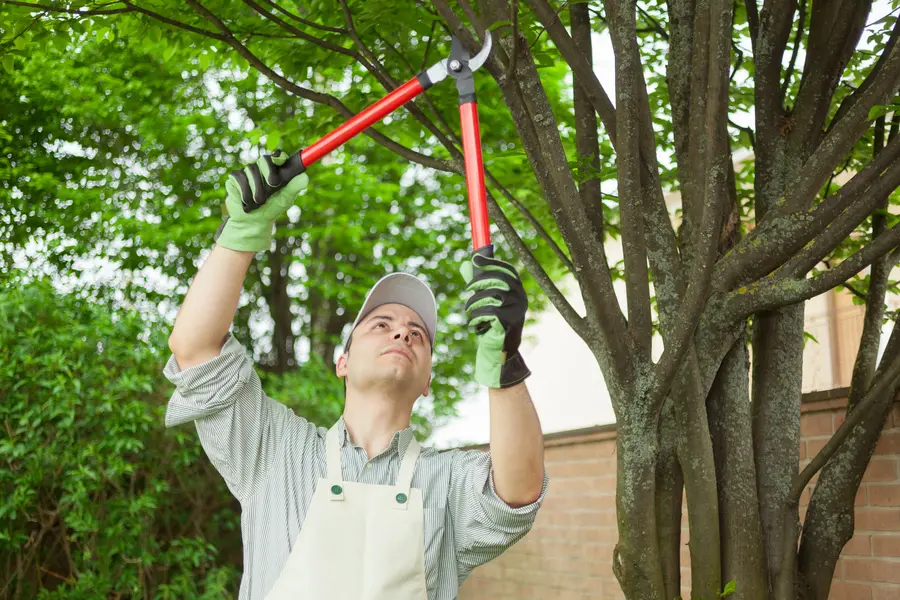
Branches should remain sturdy even during storms. If they’re drooping or falling frequently, it’s time to act. Weak branches not only threaten the tree’s health but also pose safety risks. Regular inspections can identify weak spots and allow for timely pruning to maintain safety and health.
Root System Health
The root system supports the entire tree, so its health is crucial. Visible roots above ground, cracks in sidewalks near trees, or fungi growing at the base may point to root problems. Ensuring proper watering and soil conditions helps maintain a robust root system.
Fungal Growth Indicators
Mushrooms or fungus growing on or near a tree suggest decaying matter inside. While not all fungi are harmful, many indicate serious underlying issues. Addressing them through appropriate tree care strategies helps preserve your tree’s life.
- Monitor leaf color changes regularly
- Inspect bark for unusual patterns
- Check for pests systematically
- Evaluate branch stability periodically
- Observe root systems attentively
- Look for fungal growth signals promptly
Regular Maintenance Tips
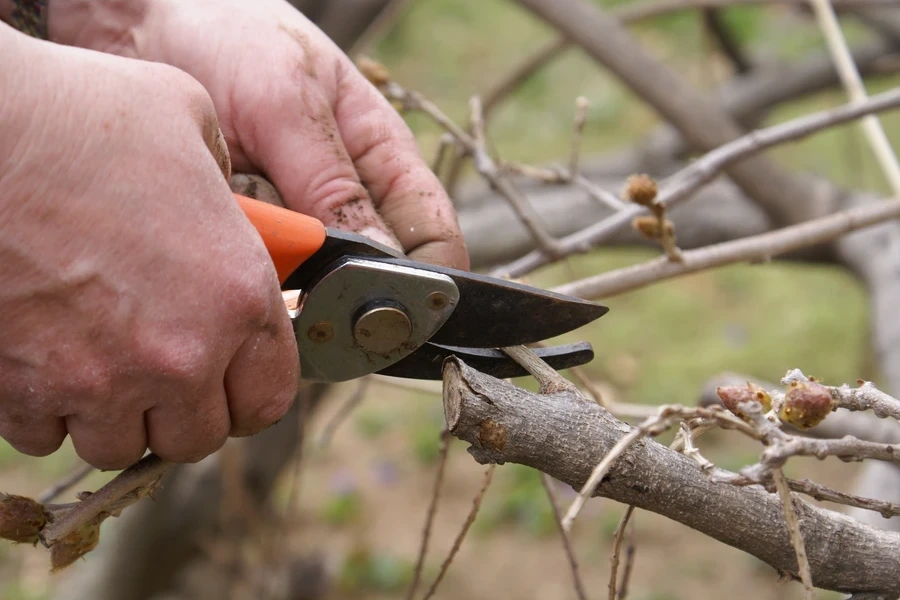
Routine maintenance keeps your trees healthy and beautiful. Water them adequately, especially during dry spells. Mulching can help retain moisture and reduce temperature swings around roots. Pruning dead or weak branches encourages new growth while minimizing risks of injury or disease spread.
Consult Professionals for Expert Help
If you’re unsure how to handle certain issues, consult professionals who specialize in these matters. They have the tools and knowledge needed for accurate diagnosis and treatment plans. Professional advice ensures your trees receive top-notch care without guesswork.
Conclusion: Act Early to Protect Your Trees
Paying close attention to your trees’ health prevents costly issues later on. Recognize early warning signs such as leaf discoloration, bark damage, or pest invasion by engaging with Omega Tree Service LLC today. Located in Concord, NC, we offer expert guidance and services to nurture your landscape. Contact us at (980) 319-5323 for personalized support tailored to meet your unique needs.